

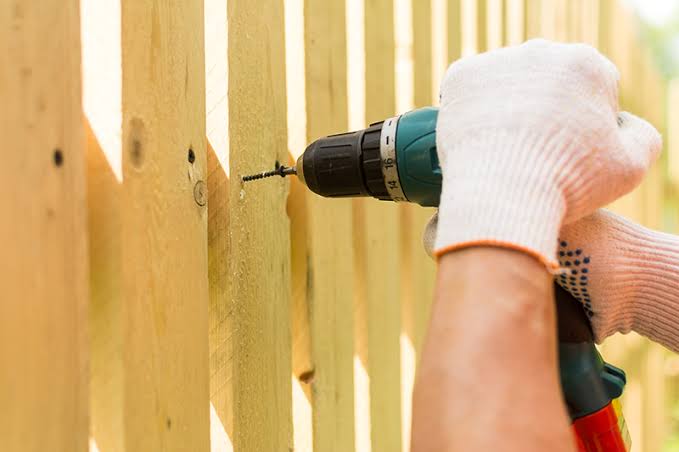
Industrial properties require dependable security solutions to protect valuable assets, equipment, employees, and daily operations. One of the most effective ways to secure commercial and industrial sites is by installing industrial fences with high-quality fence panels. These systems provide long-lasting protection, improve access control, and create clearly defined property boundaries.
This guide explains the importance of industrial fences, the different types of fence panels available, and the key factors to consider when choosing the right fencing solution.
What Are Industrial Fences?
Industrial fences are heavy-duty fencing systems specifically designed to secure commercial and industrial properties. Unlike standard residential fencing, they are built using durable materials that can withstand continuous use, harsh weather conditions, and higher security demands.
Industrial fencing is commonly installed around:
- Manufacturing facilities
- Warehouses
- Distribution centers
- Construction sites
- Logistics hubs
- Utility plants
- Business parks
- Storage facilities
Their primary purpose is to prevent unauthorized access while protecting people, property, and valuable business assets.
Why Industrial Fences Are Important
A strong perimeter is an essential part of any security strategy. Industrial fences act as the first line of defense by creating a visible and physical barrier around a property.
Key advantages include:
- Improved site security
- Controlled property access
- Protection against theft
- Reduced vandalism
- Enhanced employee safety
- Clearly defined property boundaries
- Long-term durability
When combined with surveillance systems and controlled entry points, industrial fencing provides comprehensive site protection.
Understanding Fence Panels
Fence panels are the primary sections that make up the fencing system. They connect between fence posts to create a continuous and secure perimeter.
Modern fence panels are available in different styles, materials, and strengths to meet varying security and operational requirements.
The right fence panels improve both the durability and effectiveness of the overall fencing system.
Common Types of Fence Panels
Different environments require different fencing solutions. Selecting the appropriate panel type depends on security needs, site conditions, and maintenance expectations.
Welded Mesh Fence Panels
Welded mesh panels are widely used for industrial and commercial applications because they provide excellent strength while maintaining visibility. Their rigid construction makes them resistant to cutting and bending.
Steel Fence Panels
Galvanized steel panels offer outstanding durability and are suitable for high-security locations. Their robust construction provides reliable protection against intrusion and physical impact.
Aluminum Fence Panels
Aluminum panels are lightweight, corrosion-resistant, and easy to maintain. They are commonly used where both security and appearance are important.
Composite Fence Panels
Composite fencing combines durable materials that resist moisture, fading, and insect damage. These panels require minimal maintenance and perform well in various weather conditions.
Choosing the Right Material
Material selection plays a significant role in the lifespan of industrial fences. Consider factors such as:
- Environmental conditions
- Security requirements
- Budget
- Maintenance expectations
- Expected service life
Galvanized steel remains one of the most popular choices because it offers excellent strength and corrosion resistance.
Features of Durable Fence Panels
High-quality fence panels are designed to provide reliable performance over many years. Important features include:
- Corrosion-resistant coatings
- Heavy-duty construction
- Reinforced frames
- Strong welded joints
- Weather resistance
- Impact resistance
- Low maintenance requirements
These characteristics help ensure long-term durability while reducing repair costs.
Security Enhancements
Industrial fences can be upgraded with additional security features to provide greater protection.
Popular enhancements include:
- Anti-climb designs
- Barbed wire extensions
- Razor wire systems
- Security lighting
- CCTV cameras
- Motion detection sensors
- Electronic access control
- Automated gates
These features help businesses create a layered security system that discourages unauthorized access.
Benefits of Professional Installation
Professional installation is essential for achieving maximum performance from an industrial fencing system. Experienced installers ensure proper alignment, secure foundations, and compliance with local regulations.
Professional installation offers several benefits:
- Increased structural stability
- Proper gate operation
- Longer fence lifespan
- Improved security performance
- Reduced future maintenance
Correct installation also helps prevent issues such as leaning posts or uneven panels.
Maintaining Industrial Fences
Routine maintenance helps preserve both the appearance and functionality of industrial fences.
Recommended maintenance practices include:
- Inspecting fence panels regularly
- Cleaning dirt and debris
- Checking gates and locking systems
- Tightening loose hardware
- Repairing damaged coatings
- Replacing worn components promptly
Preventive maintenance reduces long-term repair costs and extends the life of the fencing system.
Factors to Consider Before Buying
Before purchasing industrial fencing, property owners should evaluate several important factors.
Consider the following:
- Required security level
- Property size
- Local regulations
- Climate conditions
- Material quality
- Panel design
- Maintenance needs
- Installation costs
- Future expansion plans
Careful planning helps ensure the selected fencing system meets both current and future business requirements.
Long-Term Value
Although industrial fences require an upfront investment, they provide long-term value through reduced maintenance, improved security, and greater property protection.
Quality fence panels last for many years, making them a cost-effective solution for businesses seeking reliable perimeter security.
Conclusion
Industrial fences and durable fence panels play a vital role in protecting commercial and industrial properties. They provide strong perimeter security, improve access control, safeguard valuable assets, and contribute to a safer working environment. By selecting high-quality materials, investing in professional installation, and following a regular maintenance schedule, businesses can benefit from a fencing system that delivers dependable performance and long-lasting value.
